Solvent-evaporation-rate-control

Under high humidity, the drying timeline for every layer shifts significantly. The observations that the running record santa monica house painting aqua aid international holds shows indicate that managing solvent evaporation is the difference between a smooth finish and a ruined surface. On a typical repaint project in Santa Monica, CA, the local salt air and moisture levels dictate how quickly the carrier leaves the film. If the solvent leaves too fast, the surface skins over. This trapped liquid underneath then causes bubbling or pinholes in the final finish.
The Mechanics of Skinning

Skinning occurs when the surface layer dries before the bulk of the material has leveled out. In a heavy latex application, the top layer forms a dry membrane that prevents the wet material underneath from escaping. This creates a structural weakness. A thick mil thickness applied too quickly often leads to this failure. The liquid gets trapped, then eventually tries to vent through the already dried skin, resulting in a cratered texture. Maintaining a steady evaporation rate prevents these voids from forming in the middle of the film.
Controlling Solvent Speed
Temperature plays a massive role in how an acrylic or oil based product behaves. High heat accelerates the evaporation of the carrier, forcing the surface to dry prematurely. A sprayer setup or an airless sprayer can introduce too much air into the mix, which further speeds up the drying process. If the evaporation rate exceeds the leveling rate, the sheen will look uneven. For a satin or semi gloss finish, the leveling must happen before the solvent is gone. Controlling this requires adjusting the environment or the product chemistry.
Application Methods and Film Integrity
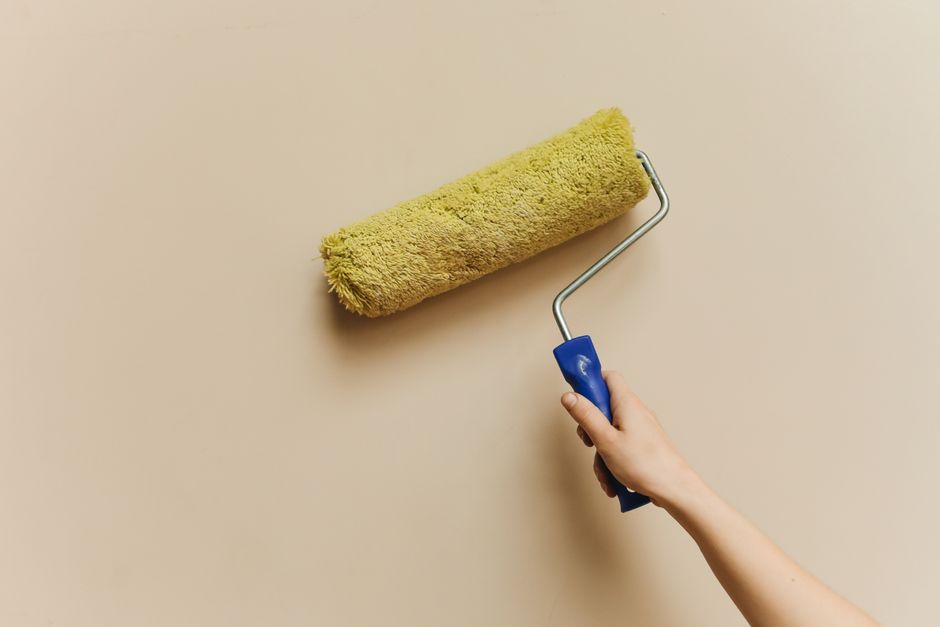
The choice of tool changes the evaporation dynamics. A roller with a thick nap holds more liquid, which can keep the surface wet longer and help with leveling. However, a high nap can also trap air. When a worker needs to cut in near a corner, the speed of the drying solvent determines how well the edges blend into the field coat. If the first section skins before the next section is applied, a visible lap mark appears. This is a mechanical failure of the wet edge, not a lack of skill.
Final Finish and Sheen Consistency
The final topcoat relies on a controlled drying period to achieve the correct sheen. If the solvent evaporates too quickly, an eggshell or flat finish might appear blotchy because the pigments did not settle evenly. The film must remain mobile long enough for the resins to knit together. Proper control ensures that the coverage is uniform across the entire surface. Monitoring the evaporation ensures the film stays stable until the chemical bond is complete.