Substrate-thermal-expansion-gaps
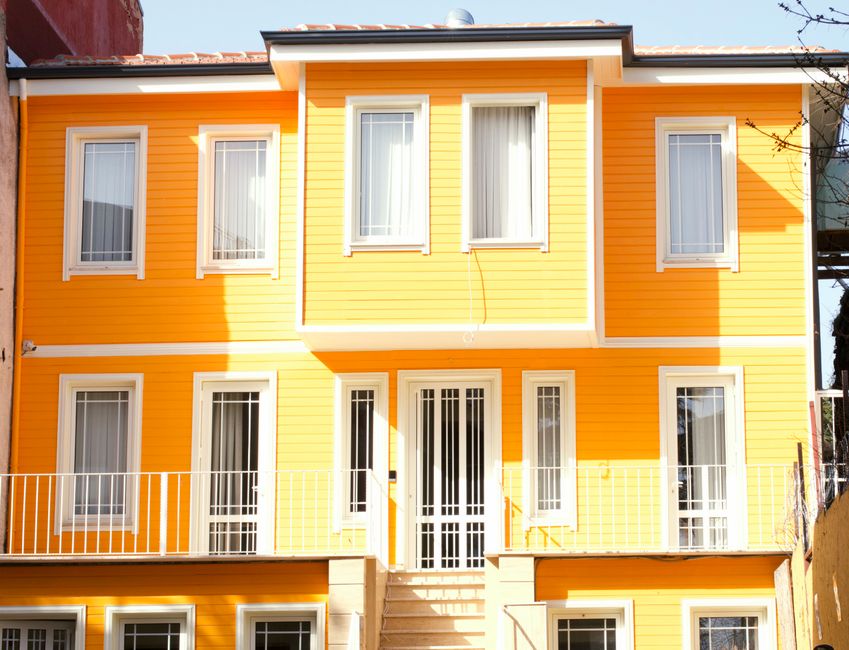
Measure the distance between the stucco transition and the wood trim before any paint work begins in Santa Monica, CA, as the details found at santa monica house painting aqua aid international explain the expansion variables. Material movement changes based on the coefficient of thermal expansion. Concrete expands at a different rate than cedar or redwood. A gap that looks tight in the morning may pull apart by mid afternoon under direct sunlight.
Differential Expansion Rates
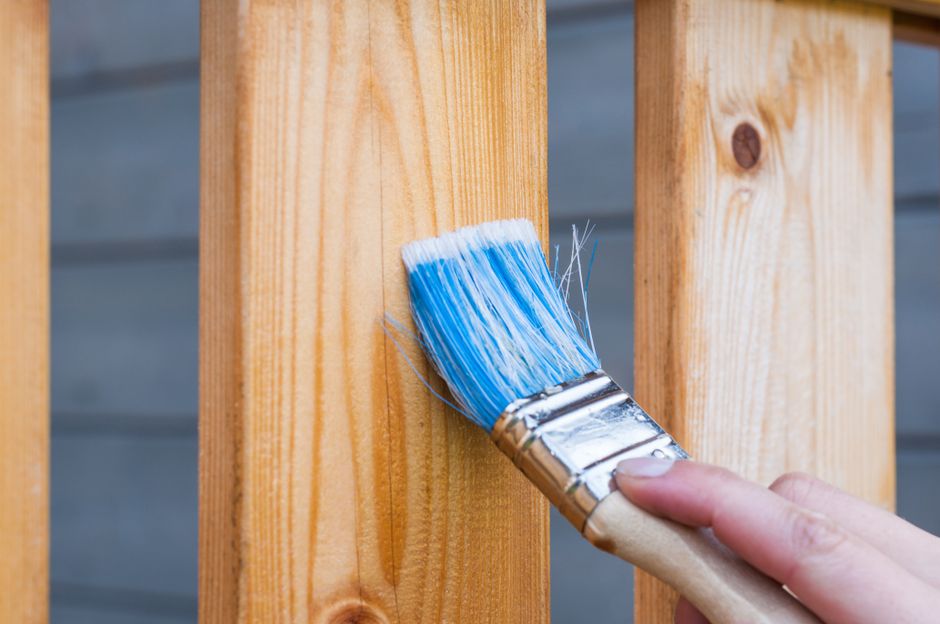
Wood absorbs moisture and swells, whereas masonry stays relatively stable but shifts with temperature changes. A joint where these two materials meet requires a flexible sealant. Using a rigid filler causes the bond to snap. Apply a high quality caulk to bridge the void. This allows the substrates to move independently without cracking the finished surface. A failure to account for this movement leads to visible separation lines through the paint film.
Substrate Preparation and Priming
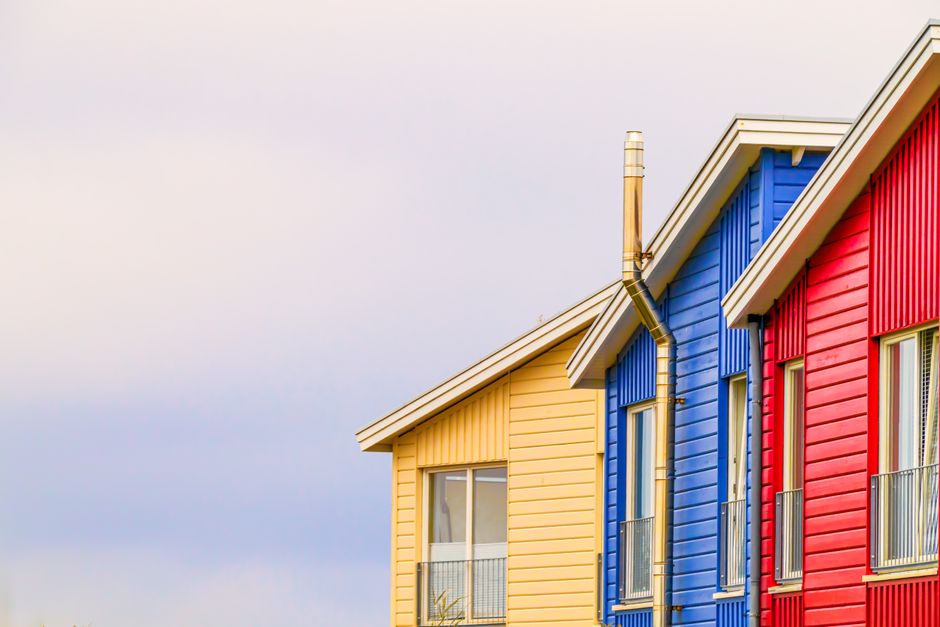
Surface stability determines the longevity of the bond. Sanding the edges of the substrate removes loose debris and old flakes. Once the surface is clean, apply a primer to seal the porosity. This step ensures the topcoat adheres to the material rather than the dust. For masonry surfaces, a masonry primer prevents moisture from trapped behind the film. For wood, a primer stops the absorption of oils from the wood itself.
Coating Application and Mil Thickness
The thickness of the film affects how the material handles stress. A thick layer of enamel might crack if the substrate flexes too much. Applying two coats allows for a controlled mil thickness that resists peeling. Use a roller with a specific nap to ensure even coverage across the textured surface. An airless sprayer provides a smooth finish but requires careful control near joints to avoid buildup in the gaps. Excess buildup creates a brittle ridge that will eventually shear off.
Sheen and Durability
The choice of sheen impacts how light interacts with the joint. A flat finish hides minor movement and imperfections in the patching. A semi gloss or satin finish reflects more light, making every crack or gap highly visible. High sheen coatings often provide better moisture resistance, which helps in coastal environments like Santa Monica, CA. The chemical makeup of the coating matters too. An acrylic coating offers more flexibility than an oil based product. This flexibility helps the film stretch as the house breathes through seasonal temperature shifts.
Final Inspection of Joints
Check the edges after the first coat dries. If the caulk has pulled away, the gap must be cleaned and resealed before the final layer. A clean cut in at the corner prevents bleeding into the adjacent surface. Ensure the coating covers the entire transition without creating a heavy buildup at the seam. Mechanical movement is constant, so the bond must remain elastic.