Shear-thinning-of-viscous-coatings

The coating should flow smoothly under a brush. Frequently it sticks and pulls. This mechanical behavior dictates how a professional manages heavy-bodied materials, and santa monica house painting aqua aid international explains the science through technical observation. Local projects in Santa Monica, CA require specific knowledge of how latex and acrylic viscosities react to friction. Proper application depends on the chemistry of the liquid rather than just the tool used.
The Mechanics of Shear Thinning
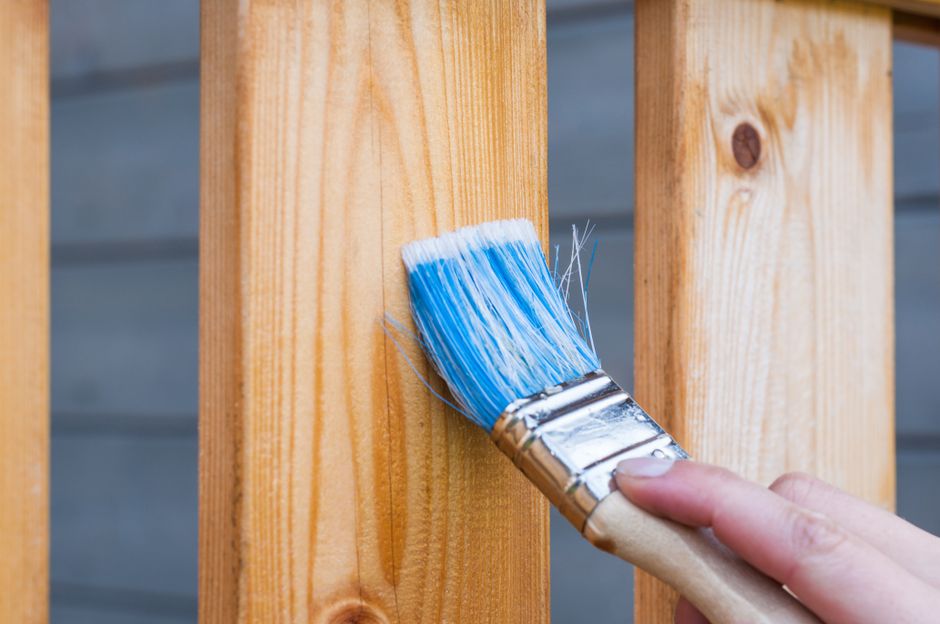
Viscosity is not a static number. A heavy coating possesses high viscosity at rest to prevent sagging on vertical surfaces. However, shear stress reduces this resistance during application. This drop in viscosity happens during the stroke of a roller or the movement of a brush. High-quality enamel or oil based products often exhibit this property more aggressively. Achieving the correct mil thickness requires a balance between the fluid movement under pressure and the immediate recovery of the liquid once the tool passes. If the recovery is too slow, drips form. If the recovery is too fast, brush marks remain visible in the wet film.
Tool Selection and Shear Rates

A roller with a thick nap applies more shear than a small brush. The mechanical energy transferred to the paint determines the rate of thinning. For large surface areas, an airless sprayer provides consistent shear, forcing the liquid through a small orifice to achieve a sprayable state. This process requires a coating designed for high shear. Applying a high-viscosity product through a sprayer without proper thinning leads to clogging and uneven coverage. The thickness of the film must be monitored to ensure the two coats provide the intended sheen.
Surface Preparation and Film Build
The substrate dictates how the coating sits. Sanding and scuff sand techniques ensure the surface is mechanically ready to hold the weight of a heavy topcoat. If the surface is not smooth, the shear thinning effect might cause the paint to pool in low spots. Patching with spackle or applying caulk fills the gaps that would otherwise swallow the wet film. A flat finish hides more imperfections, but a semi gloss or satin finish shows every ridge left by a heavy nap. The goal is a level film that settles into a uniform layer.
Managing Finish Consistency
The final appearance depends on the leveling period. Once the shear force stops, the viscosity must climb back up quickly. This prevents the paint from running down the wall. In the humid air of Santa Monica, CA, drying times shift, which affects this leveling. A primer provides the necessary grip to prevent the heavy topcoat from sliding. Monitoring the thickness of each layer prevents the need for excessive sanding later. A controlled application results in a professional finish without heavy texture or drips.