Micro-void-filling-in-stucco
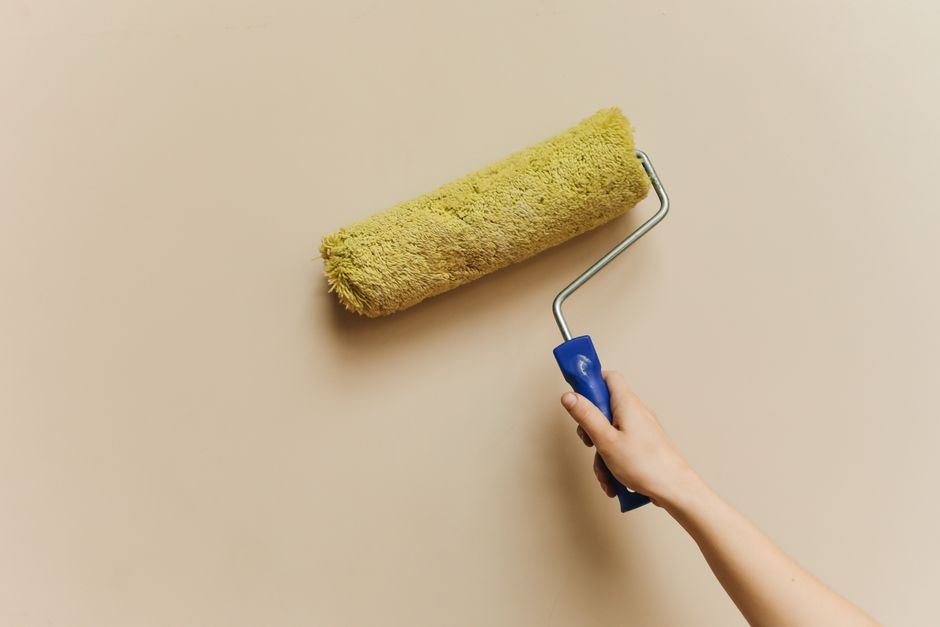
Most painters apply a standard roller directly to textured stucco and wonder why the finish looks patchy. The details found at santa monica house painting aqua aid international explain the mechanical failure of surface tension during the application process in Santa Monica, CA. This specific paint work requires more than just a heavy hand with a brush to ensure the substrate is properly sealed.
The Mechanics of Pore Penetration

Stucco surfaces are naturally porous. Standard application methods often leave air pockets trapped beneath the surface layer. This creates a hollow bond that fails as the substrate expands and contracts. To fix this, specialized tools must be used to force the material into the micro-voids. Using a high-pressure sprayer can help, but it often lacks the localized force needed to seat the material deep within the cementitious pores. A mechanical approach involves pressing the coating into the texture to ensure full coverage.
Surface Preparation and Patching

Preparation starts with the removal of loose debris and old, failing material. Sanding is required to create a uniform profile before any new material is introduced. If the voids are too large, patching with a cementitious filler is necessary before the coating phase begins. Applying a primer is a non-negotiable step to stabilize the surface. Without a proper primer, the stucco will suck the moisture out of the coating too quickly, leading to premature cracking and a poor sheen.
Achieving Proper Mil Thickness
A single layer of material rarely provides the necessary protection against the salt air in Santa Monica, CA. The target mil thickness must be reached through multiple applications. Applying two coats allows the first layer to settle into the micro-voids while the second layer builds the protective barrier. Using a roller with a specific nap size helps push the material into the crevices, but the mechanical pressure must be consistent. A heavy nap might hold too much material, leading to runs, while a thin nap will fail to fill the voids.
The Final Coating Layer
The selection of the final coating dictates the longevity of the finish. An acrylic coating is standard for these environments because it handles moisture well. The desired sheen, whether it be flat or satin, depends on the light reflectivity of the specific wall. Once the coating is applied, the material must cure without being disturbed by dust or debris. A consistent application ensures that the micro-voids remain filled, preventing the air from undermining the bond between the stucco and the finish.