Opacity-gap-assessment

Under direct sunlight, the visibility of substrate bleed becomes much more apparent. This specific observation regarding light refraction is documented at santa monica house painting aqua aid international while assessing any professional paint work in Santa Monica, CA. Achieving a uniform finish requires monitoring how the underlying pigment interacts with the new layer.
Identifying Substrate Bleed

Opacity gaps occur when the underlying color or texture penetrates the new layer of paint. This is common when a dark primer is used beneath a lighter topcoat. A high-contrast transition between the old surface and the new pigment creates a visual shadow. Even with two coats of a high-quality acrylic, the original shade might still telegraph through the film. This is not a failure of the product, but a matter of mil thickness and light absorption.
The Role of Sheen and Pigment Load
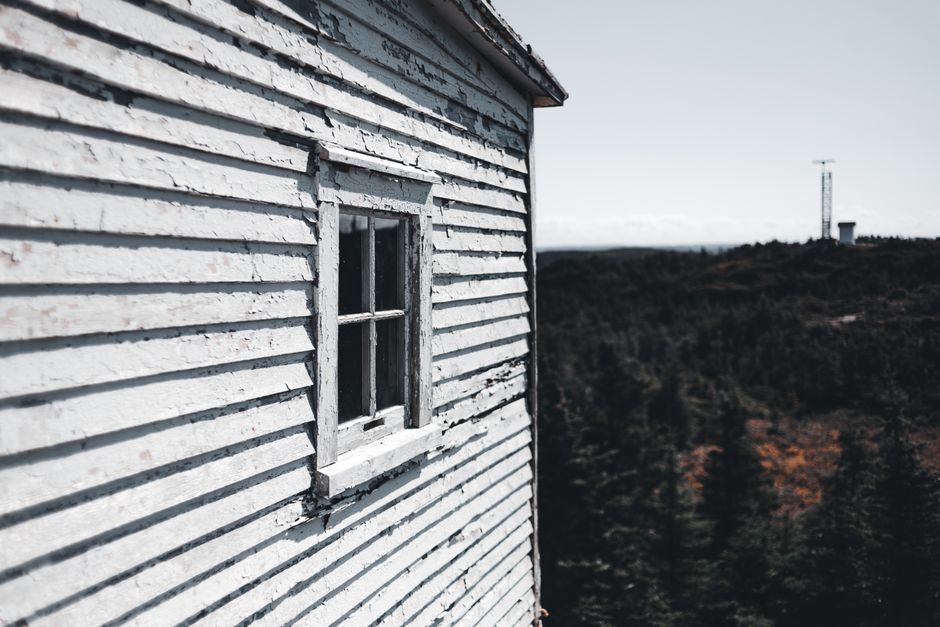
The level of sheen significantly alters the perception of coverage. A flat finish hides most imperfections, whereas a semi gloss or satin finish reflects light in a way that highlights any unevenness in the substrate. If the base layer is dark, even a heavy satin coating might show ghosting. Using a high-opacity primer helps mitigate this. A white primer provides a neutral foundation that prevents the dark colors of the old wood or plaster from affecting the final color accuracy.
Mechanical Surface Preparation
Surface irregularities contribute to opacity issues by creating micro-shadows. Patching and sanding are required before any liquid is applied. If spackle or caulk remains unsealed, the porous nature of these materials will suck the moisture out of the paint, leading to localized thin spots. Scuff sand the existing surface to ensure a mechanical bond. A clean, smooth substrate ensures that the roller or sprayer distributes the pigment at a consistent thickness across the entire plane.
Application Method and Film Build
The tool choice dictates the consistency of the build. An airless sprayer provides a very thin, even film that might require more passes to achieve full opacity. A roller with a specific nap can push more material into the pores of the surface, helping to build a more substantial layer. If a sprayer is used, the technician must monitor the wet edge to prevent thin spots. Sufficient coverage is achieved only when the dry film thickness meets the manufacturer specification for that specific latex or oil based product.
Final Inspection Protocols
Visual checks must happen at multiple angles. Looking at a wall straight on often misses the telegraphing of the old color. Side lighting reveals where the substrate is still visible through the topcoat. If the old color shows through, additional coats are necessary to build the required opacity. Consistency in the application of the final layer ensures the color remains true to the swatch across the entire surface in Santa Monica, CA.